ServicesRoof-Mounted Solar
Roof-Mounted Solar in The Colony
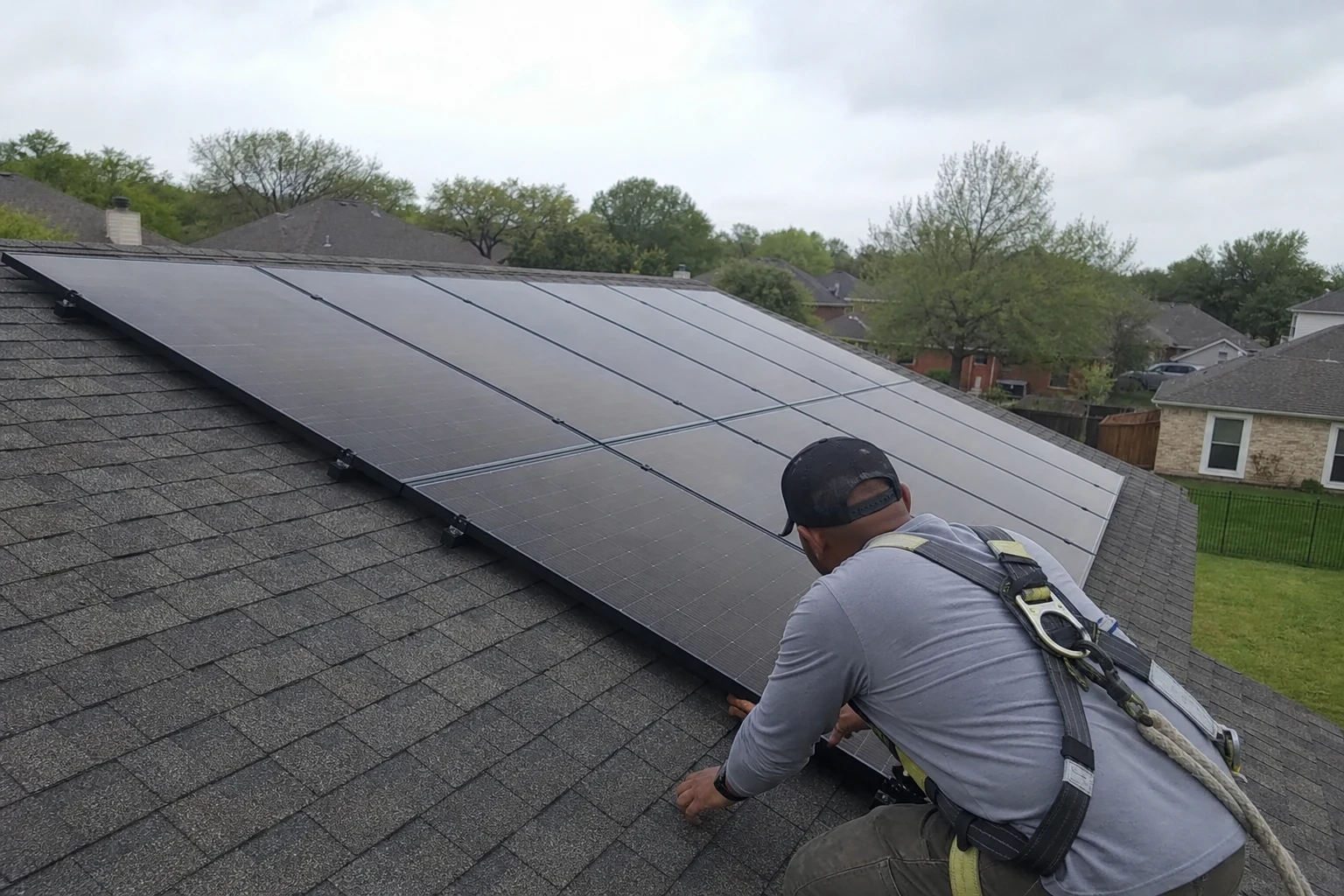
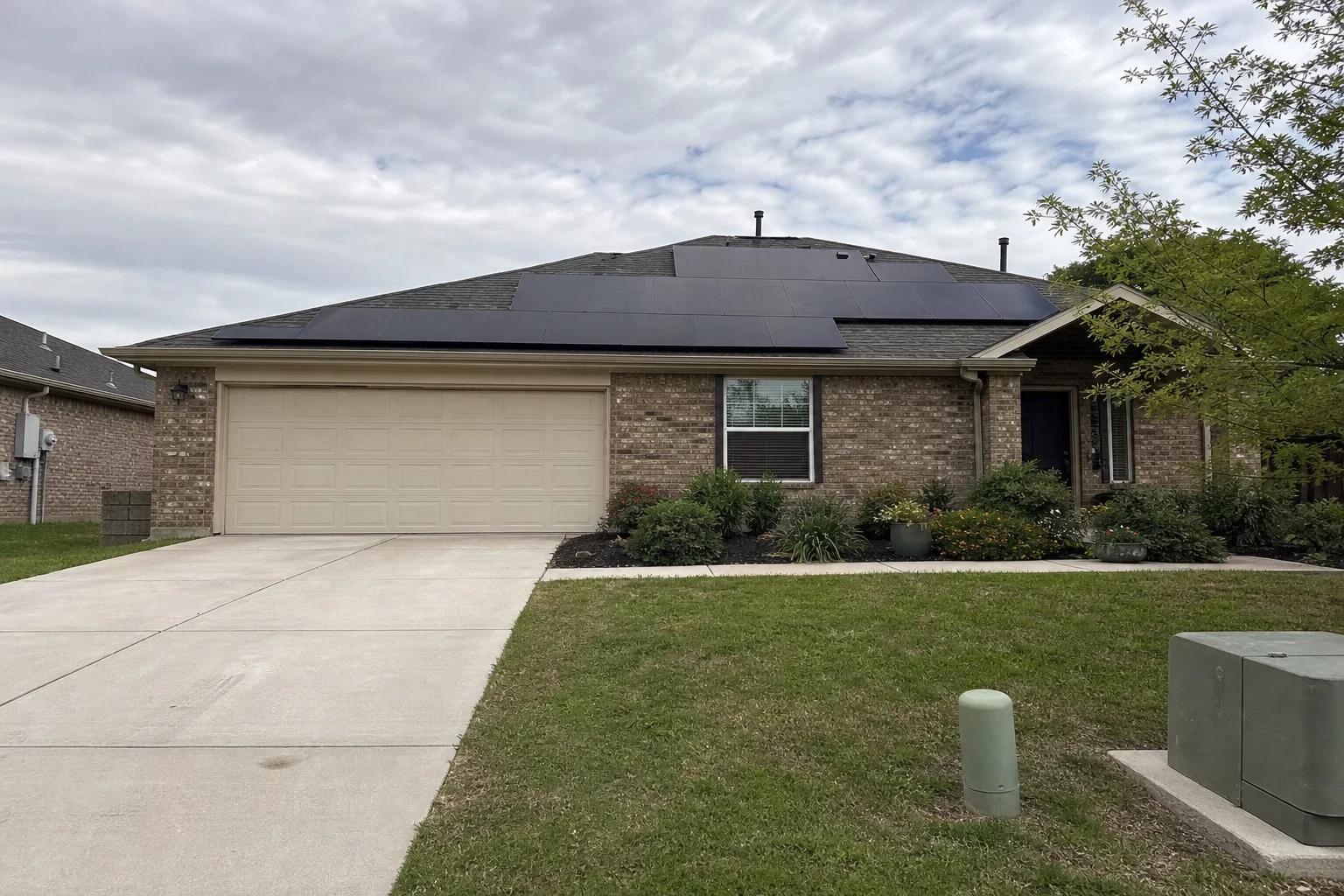
We put solar panels on your roof with sealed mounts, neat wire runs and a crew that cleans up before leaving each day. You get a system sized to your roof and your power use, and a yard that looks the way it did when we showed up.
What roof-mounted solar is and when it fits
Roof-mounted solar means the panels sit on rails bolted to your roof framing. It is the most common way to add solar to a house. The roof is already up high, already facing the sun and already built to carry weight. You keep your yard open.
It fits best when your roof has open space facing south or west, little shade and plenty of life left in the shingles. We check all of that before we draw anything up. If the roof is not a good match, we tell you so, and we can talk through other options under our solar panel installation service.
Our crew holds over 40 solar certificates and licenses. On the job, that shows up in small things: mounts set into rafters, not just decking, and wire runs you barely notice from the street.
What the job includes
Roof check before design
We get up on the roof, look at the shingles, check the decking for soft spots and find the rafters. You get photos of what we saw.
Flashed, sealed mounts
Each mount is lagged into a rafter and covered with flashing that slides under the shingle above it. Water sheds over the mount instead of into the hole.
Panel layout around vents
We plan the rows around plumbing vents, attic vents and roof edges. The array looks planned, not squeezed in.
Tidy conduit and wiring
Wire runs follow roof lines and go down the side of the house in painted or matched conduit where we can. We keep them short and straight.
Permits and grid hookup
We handle the city permit and book the inspector. We also send your utility the interconnection forms so the system can tie into the grid.
Cleanup every day
Tarps go down over beds and walkways before work starts. At the end of each day we pick up packaging, scrap wire and screws, and run a magnet across the driveway and lawn.
Signs your roof is ready for solar
Open south or west faces
A roof plane facing south or west with few vents gets the most sun. East-facing roofs can work too, with a little less output.
Summer bills keep climbing
If your highest bills come in July and August, that is when panels make the most power. Long, hot North Texas summers line up well with rooftop solar.
Shingles with years left
Panels stay up for decades. A roof with plenty of life left means you won't need to pull them off soon for a reroof.
Little shade from trees
Some shade is fine. A big tree over the main roof plane can cut output, and we will show you how much before you decide.
You plan to stay a while
Solar pays back over years. The longer you live in your home, the more of that you keep.
How a rooftop job runs
- 1
Phone call and site visit
We start with a call about your bills and your roof. Then we come out, measure the roof and look at your electrical panel.
- 2
Design and permit
We lay out the panels, size the system and walk you through it line by line. Once you say go, we file for the permit and the utility approval.
- 3
Install days
We protect the yard and the walls first. Most homes take one to three days on the roof, and we clean up before we leave each evening.
- 4
Final check and switch-on
A city inspector looks over the finished work. After your utility signs off, we turn the system on together, set up the monitoring app with you and walk the property one last time.
What moves the price
Every roof is different, so we price each job after we see it. You get a written estimate that breaks out panels, mounting, electrical work and permits. Nothing gets added later without a talk first.
- System size
- More panels means more power and more cost. We size to your actual use, not the biggest system your roof can hold.
- Roof shape and pitch
- A simple, low-slope roof is quicker to work on. Steep pitches, many angles or a second story need more safety gear and more time.
- Roof material
- Composition shingle is the most common and the simplest. Tile or metal roofs need different mounts and more care.
- Electrical panel
- Some older panels don't have room for a solar breaker. If yours needs an upgrade, we tell you up front and put it on the estimate.
- Adding a battery
- If you want backup power, battery storage adds equipment and wiring. We can plan for it now or leave room to add it later.
Roof-mounted solar questions
Something not covered here? (972) 640-8783
Will the mounts make my roof leak?
Not when they are done right. Each mount goes into a rafter, gets sealant in the hole and is covered by flashing tucked under the shingle above. We check every one before the panels go on.
Does my roof need replacing first?
Sometimes. We will give you a straight answer and photos of what we find up there. If the shingles are curling, cracked or shedding granules, get the roof redone before any panels go on. Pulling an array off later for a new roof adds cost and downtime.
What happens to the panels in a hailstorm?
The front of each panel is a sheet of tempered glass, and it gets tested against hail before it ever leaves the factory. An ordinary spring storm usually leaves it untouched. If a big one does crack a panel, our solar repair service can look over the whole array and replace the broken ones.
How messy is the install?
Not very, because we clean as we go. Tarps cover beds and walkways, scrap goes in our truck and not your trash can, and we sweep the driveway with a magnet for loose screws every day.
Do I need to be home during the work?
We need you at the start to go over the plan, and we need access to your electrical panel. After that, you can go about your day, and we will check in before we leave each evening.
Find out what your roof can do
Tell us about your roof and your power bills, and we will set up a time to come look. You will get a clear plan and a written estimate before any work starts.